Marching Band Mom SVG, Custom Band SVG
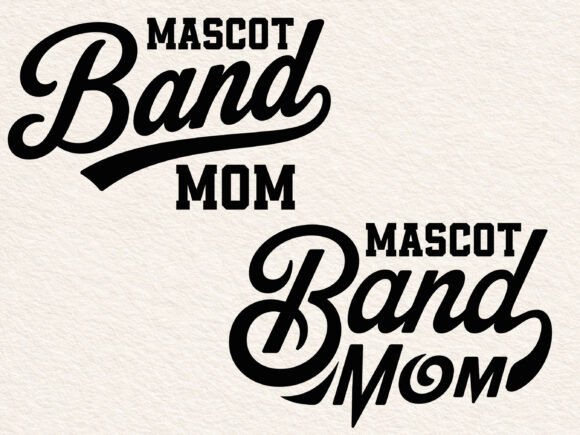
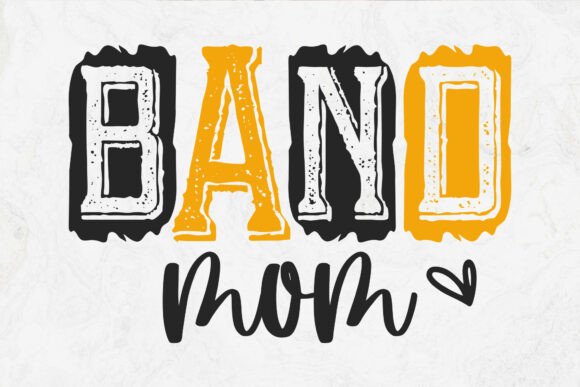
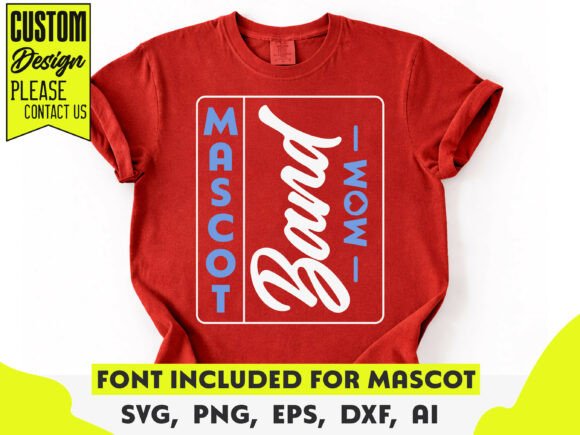
As a designer who’s stitched over 200 custom embroidery projects for Etsy sellers, boutique shops, and school spirit brands, I opened the Marching Band Mom SVG, Custom Band SVG file expecting something cheerful—but what stood out immediately was its quiet confidence. It doesn’t shout; it smiles. The layout balances bold lettering with subtle musical motifs—think a compact treble clef tucked beside “Mom,” not overwhelming, but unmistakably band-themed. There’s no excessive ornamentation, no fragile filigree that would vanish under satin stitch. That tells me this was made for real-world stitching—not just screen display.
What This Design Actually Wants to Be on
I tested it first on a heavyweight cotton tote bag for a local high school booster club. The design sat cleanly centered on the front panel—no awkward stretching or distortion. Its proportions (moderate height, generous letter spacing) translated well into fill stitch without overcrowding. On sweatshirt fabric? It held up beautifully: the curves in the “B” and “M” stayed crisp, and the small icon elements didn’t blur into mush. It also worked surprisingly well as a baby onesie embroidery—scaled down to 3.2”, the key shapes remained legible, and the clean lines avoided that “over-stitched baby font” look many generic designs fall into.
This isn’t a one-trick pony. I’ve used the Marching Band Mom SVG, Custom Band SVG across patches (heat-applied to denim jackets), kitchen towels (where tight thread tension matters), and even as a subtle cap front design—though I’ll note that last one required careful placement and extra stabilizer due to the curved surface. It feels like a small shop product at heart: warm enough for handmade appeal, structured enough for consistent branding.
Where It Needs Thoughtful Handling
Don’t rush this into a tiny hoop or stretchy knit without testing. I tried it on a lightweight jersey tee—same size as the sweatshirt test—and saw slight puckering around the outer letters. Not a dealbreaker, but a reminder: Marching Band Mom SVG, Custom Band SVG leans toward stable, medium-to-heavy fabrics. On dark fabric, contrast matters more than usual—the design relies on shape recognition, not fine detail, so avoid pale thread unless you’re adding a white underlay. And if you’re planning layered garments (like an embroidered patch sewn onto a backpack strap), check how the stitch density holds up at the edges—some versions of this style pack too much fill into narrow zones.
Also worth noting: the small decorative elements (like the tiny drumstick or flag motif, depending on variant) are charming—but they shrink fast. Below 2.5”, those details risk becoming indistinct blobs in fill stitch. If you’re targeting baby embroidery or cap fronts, preview the design in your embroidery software at actual stitch size before hooping. Don’t assume vector scalability equals embroidery scalability.
How It Shapes Perception—Before and After Stitching
Customers don’t buy SVGs—they buy finished products. And this design elevates the handmade product quietly. When stitched cleanly on a navy apron for a marching band concession stand volunteer, it read as professional, heartfelt, and cohesive—not “cute clipart.” That builds trust. Buyers recognize intention. They see the balanced spacing, the intentional weight of the strokes, and subconsciously associate it with care. That’s critical for Etsy seller listings or craft fair booths where first impressions happen in under three seconds.
It also supports brand consistency. Because the design avoids dated trends (no glitter effects, no forced cursive), it fits seamlessly into a broader collection—say, pairing with “Band Dad” or “Drum Major” variants. As a digital embroidery file, it functions as reliable design assets: easy to recolor, resize within safe limits, and integrate into printable mockups for social media or wholesale catalogs.
Practical Designer Notes You’ll Actually Use
- Always test on scrap fabric first—especially if using textured weaves (like canvas or terry cloth) where stitch definition can soften.
- Review stitch density in your embroidery software. If fill areas feel overly dense, adjust underlay or reduce density slightly—this helps prevent stiffness on apparel.
- Confirm hoop size compatibility. While the design isn’t oversized, some versions include optional banners or banners-with-ribbons that extend width. Measure before committing to a project timeline.
- Inspect small corners and interior cutouts (like the center of the “O” or “A”) in stitch simulation mode—running stitch outlines help define those better than fill alone.
- Test black-and-white mockups. Since this is often used for school spirit gear, seeing how it reads in monochrome helps anticipate real-world use on uniforms or team merchandise.
- Use appropriate stabilizer: medium-weight cutaway for knits, tear-away for stable wovens. Skip the light mesh—it won’t support the letter weight evenly.
- Verify licensing before selling finished items. This is a digital embroidery file, not a physical product—so commercial use depends entirely on the creator’s terms. Check before listing on Etsy or bundling into craft kits.
The Marching Band Mom SVG, Custom Band SVG earns its place in my go-to folder because it respects both the machine and the maker. It doesn’t demand perfection—but it rewards attention. Whether you’re stitching personalized gifts for band parents, building a craft business around school pride, or designing limited-run merchandise for a regional competition, this design delivers clarity, warmth, and quiet professionalism. It’s not flashy. It’s dependable. And in the world of embroidery project execution, that’s the highest compliment.