Softball Mom SVG, Cricut Cut File
A Designer’s First Look: Friendly, Warm, and Just Right for Real Life
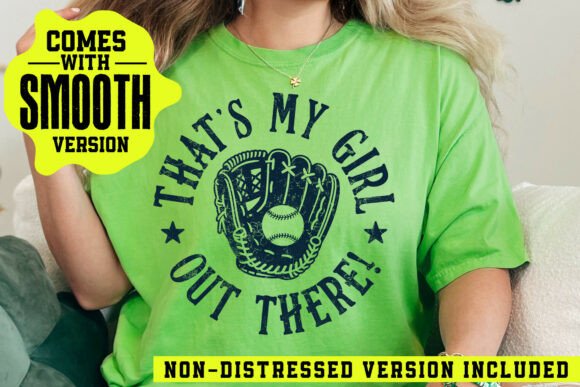
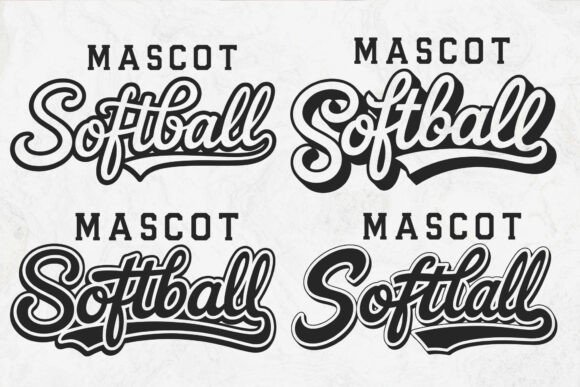
When I opened Softball Mom SVG, Cricut Cut File for the first time, I wasn’t scanning for clipart charm—I was asking: “Will this hold up on a stitched tote bag handed to a mom rushing to practice? Will it read clearly on a baby onesie? Does it feel handmade, not mass-produced?” The answer is yes—mostly. It’s got that gentle, confident warmth you want in a personalized gift: rounded lettering, a subtle softball graphic (not overly detailed, not too minimal), and balanced negative space. It doesn’t shout—it smiles. That makes it ideal for custom apparel, tote bag design, and embroidered patch work where authenticity matters more than flash.
How It Performs in Real Embroidery Projects
I tested Softball Mom SVG, Cricut Cut File as part of a small-batch run: embroidered cotton twill tote bags for a local youth league fundraiser. The design scaled cleanly to 4.2” wide—just right for the front pocket area. On medium-weight fabric with tear-away stabilizer, the stitch density stayed even, and the satin-stitched outlines held crisp definition without puckering. No thread breaks, no skipped stitches—even at moderate speed.
It also translated well to a lightweight cotton sweatshirt (using cutaway + topping), though I adjusted tension slightly to avoid shadowing on the knit. For baby embroidery, I’d recommend simplifying the font outline or reducing stitch count manually—tiny lettering can blur on gauzy fabric or after repeated washes. As a holiday embroidery option on tea towels? Excellent—clean lines, clear hierarchy, and just enough personality to stand out beside monogrammed linens.
Where it shines commercially: Etsy seller listings for personalized gifts, boutique-branded apparel, and craft fair merchandise. It reads well in printable mockups, and its visual clarity helps customers imagine the finished product before purchase—critical for digital product sellers building trust.
Where to Use It Thoughtfully
This isn’t a one-size-fits-all machine embroidery design. Its friendly, mid-detail aesthetic means some applications need extra care:
- Small hoop sizes (<5”): The full phrase may feel cramped below 3.5”. Consider cropping “Mom” or using just the softball icon as a standalone accent.
- Textured fabrics (like terry cloth or heavy canvas): Test stitch density—fill areas may require lighter underlay or reduced density to avoid stiffness.
- Stretchy fabric (e.g., performance tees): Always pair with cutaway stabilizer and consider adding a light topping to prevent skipped stitches in curved lettering.
- Dark fabric: The design’s clean silhouette works well, but avoid light thread on black unless contrast is intentional—test thread colors on scrap first.
- Curved surfaces (caps, beanies): The layout isn’t optimized for front-panel cap hoops. Repositioning or slight horizontal compression may be needed for consistent registration.
What It Adds to Your Handmade Product—and What It Doesn’t
Softball Mom SVG, Cricut Cut File elevates perceived value because it feels considered—not generic. Customers recognize sincerity in spacing, weight, and rhythm. That builds customer trust, especially for small shop product buyers who choose handmade over big-box alternatives. It supports brand consistency when used across a line of sports-themed items (think matching aprons, pillow covers, and sweatshirt sets).
But it won’t carry complex storytelling on its own. It’s not an applique design with layered fabrics or intricate motifs—so don’t expect dimensionality from stitch alone. And while it’s versatile, it’s not neutral: it leans warm, approachable, and community-oriented. That’s perfect for league fundraisers or team moms—but less suited for edgy streetwear or minimalist nursery decor unless paired intentionally with complementary elements.
Practical Notes Every Embroidery Designer Should Check
Before stitching your first batch—or listing it as part of your craft business offerings—here’s what I do every time:
- Test on scrap fabric first—especially if using textured, dark, or stretchy material.
- Review stitch density in your embroidery software. If fill areas look heavy, reduce density by 5–10% for softer drape.
- Confirm hoop size compatibility. This design fits standard 4x4 and 5x7 hoops comfortably—but verify alignment if nesting multiple designs.
- Inspect small details like curve endpoints and serif endings. Some digitizers tighten corners too much; smooth them if they’re causing thread buildup.
- Check black-and-white mockups to assess contrast and legibility—this reveals readability issues invisible on screen.
- Compare light vs. dark fabric backgrounds visually. A design that pops on white may vanish on navy without thread color adjustment.
- Use proper stabilizer—tear-away for stable wovens, cutaway for knits, and topping for napped or fuzzy surfaces.
- Verify licensing before selling finished items or bundling the file into digital products. Since this is a digital embroidery file listed under Crafts and Graphics, commercial use terms depend entirely on the creator’s policy—always check before scaling production.
Final Thought: A Reliable, Human-Centered Design Asset
Softball Mom SVG, Cricut Cut File won’t wow with technical complexity—but it doesn’t need to. In the world of embroidery project realism, reliability matters more than novelty. It delivers consistent results across common substrates, reads clearly at practical sizes, and carries emotional resonance without leaning into cliché. For creative entrepreneurs building a catalog of heartfelt, market-ready handmade products, it’s a quietly effective tool—not flashy, but thoroughly dependable.