Vintage Golf Mom SVG: A Designer's Embroidery Review
First Look at the Design Personality
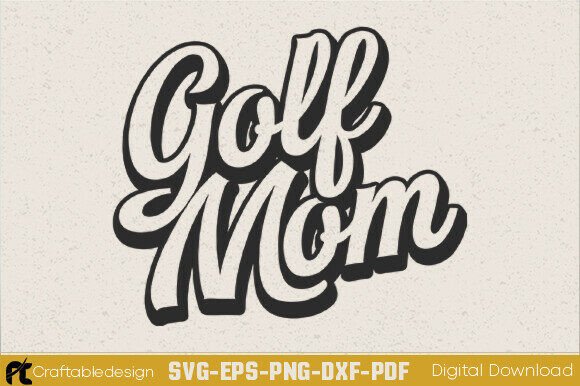
When I opened the Vintage Golf Mom SVG file, the first thing I noticed was how the composition immediately tells a story. It does not feel like a generic sports graphic thrown together in five minutes. The typography has a worn, retro quality that reminds me of old country club signage from the 1960s, and the overall layout feels balanced without being stiff. A golf mom theme can easily tip into cheesy territory, but this one walks a confident line between playful and tasteful. The distressed edges, the slightly curved lettering, and the way the golf elements are tucked into the design give it a comfortable, lived-in look. I could already picture it stitched onto a faded navy sweatshirt, the kind a mom would throw on for a chilly morning at the driving range.
The mood is warm, nostalgic, and slightly humorous without being cartoonish. That matters a lot when you are choosing a design for a product that someone will actually wear or gift. A design that feels too loud or too childish limits your customer base. This one has broad appeal. It would work for a grandmother who golfs, a new mom who just picked up clubs, or a proud golf wife. From a product creation standpoint, that versatility is gold.
Where This Design Really Belongs
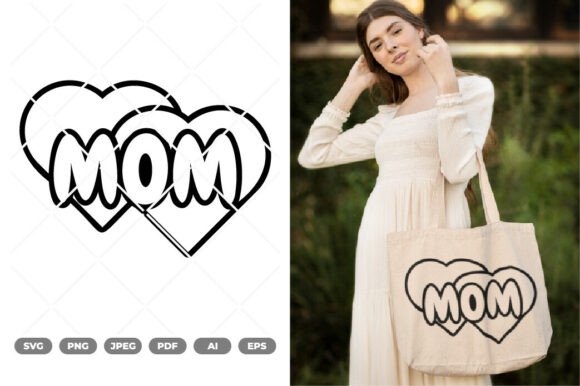
After studying the linework and spacing in the Vintage Golf Mom SVG, I mentally placed it on a few different blanks. My top pick is a medium-weight cotton canvas tote bag. The scale of the design feels right for a tote panel, and the slightly textured fabric would complement the vintage aesthetic beautifully. A close second is a unisex crewneck sweatshirt in heather gray or oatmeal. The design has enough presence to hold its own on a larger garment without overwhelming the wearer. I would also consider it for a kitchen towel, especially as part of a gift set paired with a golf-themed mug or a sleeve of golf balls. The humor and warmth of the saying make it a natural fit for a Mother's Day gift or a birthday present for a golf-loving mom.
For smaller projects, I would scale it down carefully for a structured dad hat or a patch. The lettering details need to be checked at reduced sizes, which I always do by printing a paper mockup and taping it to the actual item. On a baby onesie or a toddler tee, the design would work if simplified slightly, but you must test the stitch density on stretchy fabric. A lightweight knit onesie behaves very differently under an embroidery needle than a woven tote bag. I learned that lesson the hard way with a previous baby gift project where the satin stitches pulled the fabric into a pucker that no amount of steaming could fix.
Stitching Behavior and Technical Reality
Let me be honest about what happens when a vector design like the Vintage Golf Mom SVG hits the embroidery machine. SVG files are not embroidery files. They are starting points. You will need to bring this into your digitizing software and map out the stitch types, directions, densities, and trims. The distressed texture that looks so charming on screen does not automatically translate to thread. You have to decide whether to replicate that worn look with intentional gaps in the fill stitch, or clean it up for a smoother, more polished finish. I have done both, and the choice depends entirely on the final product. A smooth satin stitch version feels more upscale and works well on a leather patch or a structured tote. A deliberately distressed fill stitch version leans into the vintage vibe and looks fantastic on a soft sweatshirt or a canvas apron.
The lettering is the make-or-break element here. Small serif details can close up under dense thread. I always run a test stitch on scrap twill before committing to a final garment. I check whether the counters in lowercase letters like "a" and "e" remain open, whether the dot on the "i" stays defined, and whether any thin strokes disappear into the background fabric. If the design includes connected script or overlapping elements, I inspect the trim points carefully. Too many trims slow down production and create messy backs. Too few trims leave jump stitches that snag in the wash.
Thread color selection is another layer of decision-making. The vintage mood of this design pairs beautifully with muted tones. I tested a mockup with a soft cream thread on a forest green background, and it looked like something from a boutique golf shop. Another combination I loved was a faded terracotta thread on natural linen. The key is to avoid high-contrast neon threads unless you are deliberately going for a modern twist. The design wants to feel aged and comfortable, so let the thread palette follow that lead.
Fabric and Stabilizer Pairings That Make Sense
I have strong opinions about stabilizer choices, and I will share them freely. For a sweatshirt or a knit garment, I use a medium-weight cutaway stabilizer and a water-soluble topper to prevent the stitches from sinking into the fleece. Nothing ruins a vintage design faster than fuzzy thread buried in fabric pile. For a woven tote bag or a canvas pouch, a tear-away stabilizer works fine, but I still hoop carefully and check the tension. For a structured cap, I use a heavy-duty cap hoop and a firm backing, and I slow the machine speed down. Curved surfaces are unforgiving. Small registration errors become glaringly obvious on a hat brim.
On dark fabrics, the Vintage Golf Mom SVG needs a strong underlay. I usually build a light fill underlay beneath the main satin columns to give the thread something to sit on. Without it, the dark fabric peeks through the stitches and dulls the design. On light fabrics, the underlay can be lighter, but I still include it for dimensional stability. The design should look intentional, not sparse.
Commercial Use and Customer Appeal
If you are an Etsy seller, a craft fair vendor, or a small shop owner, you are probably wondering whether this design will sell. Based on my experience with similar vintage sports themes, the answer is yes, with the right presentation. The key is to show the finished product in a lifestyle context. A flat lay on a white background is fine for a listing thumbnail, but the photos that convert browsers into buyers are the ones that show the embroidered item in use. A tote bag slung over a shoulder on a golf course. A sweatshirt folded on a wooden bench next to a thermos and a visor. A pillow cover on a cozy armchair with morning light streaming in. The Vintage Golf Mom SVG carries a story, and your product photos should tell that story.
Before you list anything for sale, confirm the licensing terms that came with the files. The product description mentions that you will receive a ZIP file containing SVG, EPS, and DXF formats. These are vector files suitable for digitizing, printing, and cutting, but the commercial use rights depend on the seller's license. Read the fine print. Some designers allow full commercial use on physical products but restrict resale of the digital files. Others require attribution or limit the number of units you can sell. I keep a folder of license documentation for every design asset I use, organized by designer. It saves headaches later.
Practical Testing Routine Before Production
I have a routine that I follow before I commit any design to a production run. First, I print the design at actual size on paper and hold it against the intended blank. I check the placement, the proportion, and the visual weight. Second, I digitize a test file and stitch it on a piece of the same fabric I will use for the final product. I examine the stitch quality under good light and feel the back for any rough spots. Third, I wash the test piece. I wash it warm, I dry it on medium heat, and I check for shrinkage, thread breaks, and distortion. If the design survives that, it is ready for a customer. If it does not, I adjust the digitizing or the stabilizer and test again.
With the Vintage Golf Mom SVG, I would pay special attention to the wash test because the vintage aesthetic often includes deliberately thin or broken lines. Those areas are vulnerable to fraying if the stitch length is too short or the thread tension is too tight. A slightly longer stitch length in the fill areas can improve durability without sacrificing the look. Small adjustments like that separate a professional product from a hobby project.
Giftability and Personalization Potential
One of the strongest selling points for this design is its giftability. A golf mom is a specific identity that many women wear proudly. Adding a personalized touch, like a name or a short date stitched beneath the main design, elevates the product into a keepsake. I have done this with similar designs by adding a small running stitch monogram in a coordinating thread color. The personalization does not compete with the main design, but it adds emotional value that buyers are willing to pay extra for. Consider offering a personalized version in your shop listing. The margin on a custom embroidered item is higher, and the customer satisfaction is deeper.
Final Thoughts from the Worktable
The Vintage Golf Mom SVG is a solid, well-conceived design that I would confidently use in my own product line. It has the right balance of character and restraint, and it adapts well to a variety of blanks and color palettes. The real work lies in the digitizing and the material choices. Treat the design with care during the conversion from vector to stitches, test thoroughly on your intended fabrics, and present the finished product in a way that honors the nostalgic, warm-hearted mood of the artwork. When you do that, you are not just selling a shirt or a tote. You are selling a feeling that resonates with golf moms, their families, and anyone who appreciates a well-made, thoughtfully designed handmade item.